 1 / 6
About
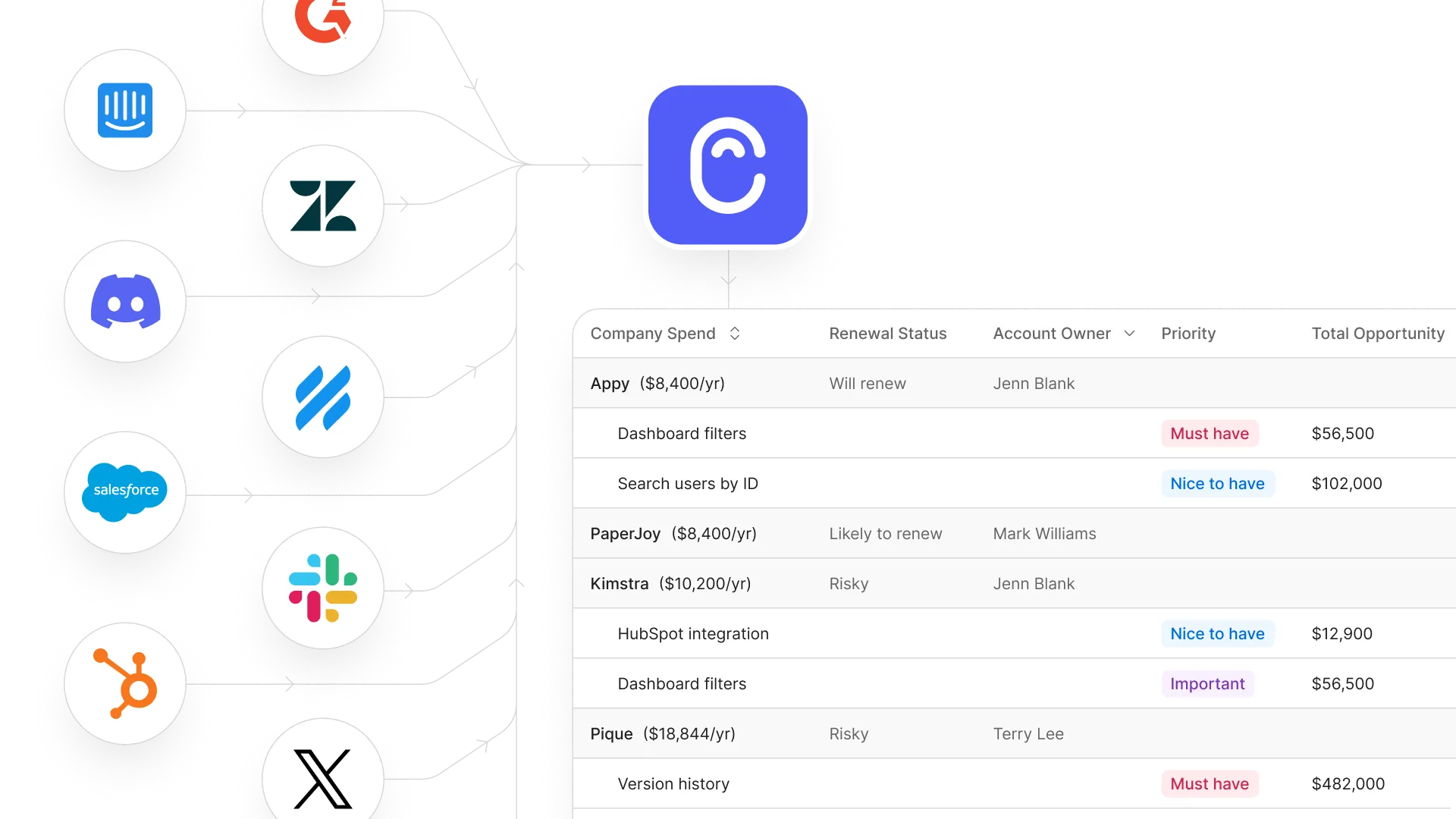
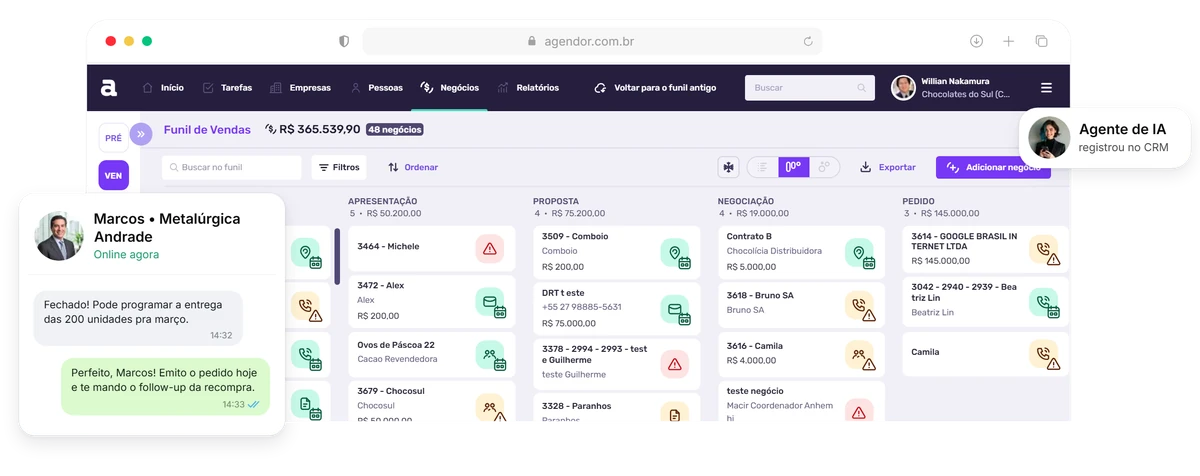
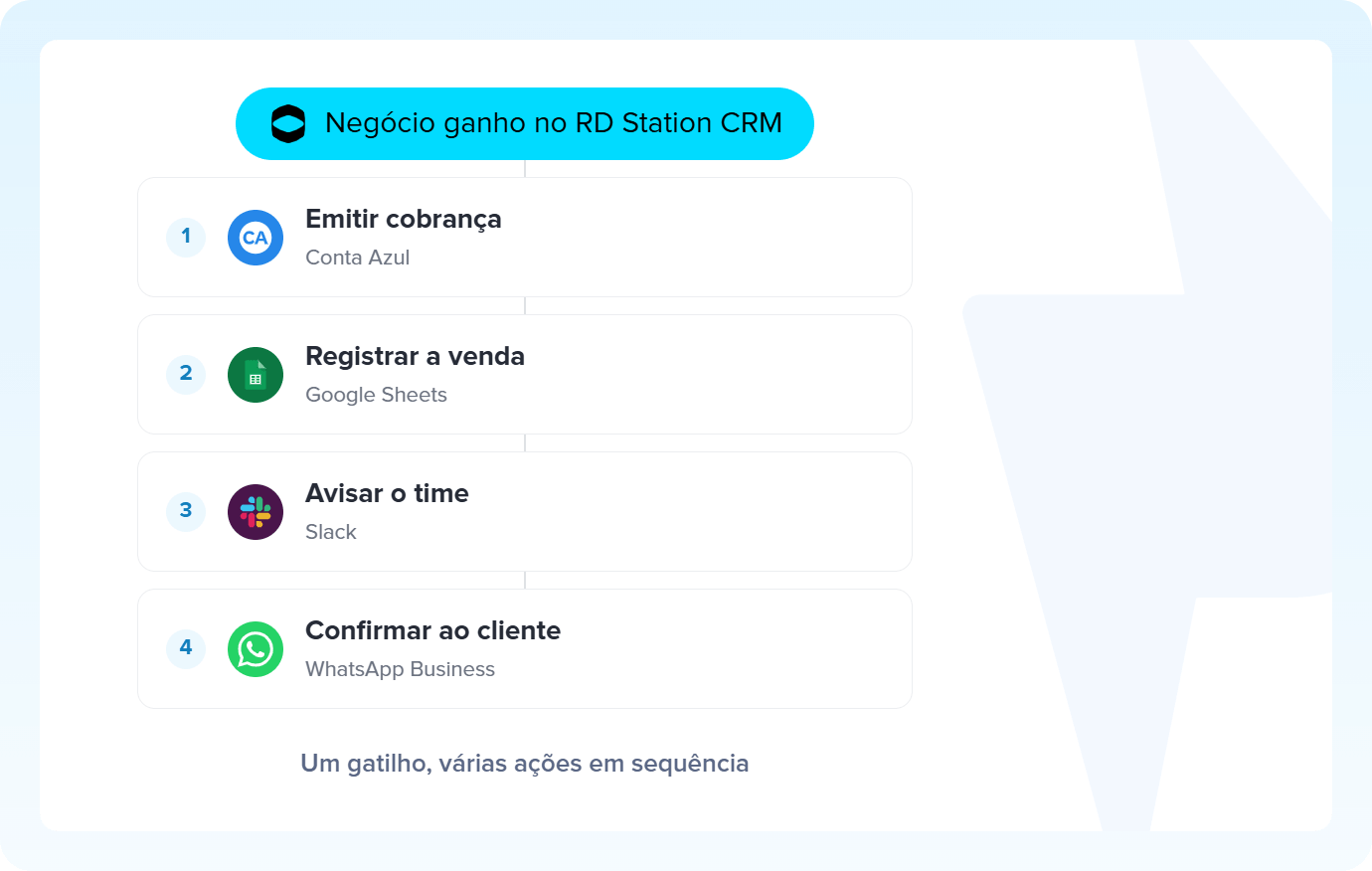
Pluga is a no-code automation platform from Rio de Janeiro that links the software a small or mid-sized business already runs: CRM, ERP, billing, marketing, forms and e-commerce. A trigger in one tool, such as a deal won in your CRM or a paid order in your store, can fire a chain of actions elsewhere: issue a charge, log the sale in a spreadsheet, alert the team on Slack and message the customer on WhatsApp. Its edge over global tools like Zapier is local depth. Pluga integrates natively with the systems Brazilian companies actually use, including Bling, Omie, Conta Azul, Asaas, RD Station, Agendor, Nuvemshop, Hotmart and eNotas, and its support answers in Portuguese over WhatsApp, even on the free plan. It was founded in 2015 by Marcus Ribeiro and partners who had worked at the 21212 accelerator and watched hundreds of founders lose hours to repetitive admin. It grew on modest seed money from angels and Bossa Nova Investimentos, and today reports more than 10,000 client companies and over 450,000 automations running. Highlights: • 130+ native integrations and more than 16,000 ready-made templates • Multi-step flows where one trigger runs several actions in sequence • Webhooks and HTTP requests for systems without a native integration • Filters, routers, loops, delays, a scheduler and a data formatter • Python or JavaScript code steps for custom logic • AI toolkit that classifies, extracts, summarizes and translates using ChatGPT, Gemini or Claude • AI agents that answer on WhatsApp, book meetings and act in your tools • MCP server so AI assistants can query data across connected apps There is a free plan with three automations and 100 events per month. Paid plans are priced in reais: Basic at R$89 per month for 6 automations and 1,000 events, Pro at R$209, and Ultimate at R$359 with unlimited automations and 12,000 events, about 17% less when paid yearly. Enterprise is quoted on request. Pluga is a web app; the interface and most integrations are geared to Brazil.
Reviews
Sign in to review. Reviews carry how long you have used the product.
No reviews yet. The first one from someone actually using it is worth a lot.
PlugaOpen