About
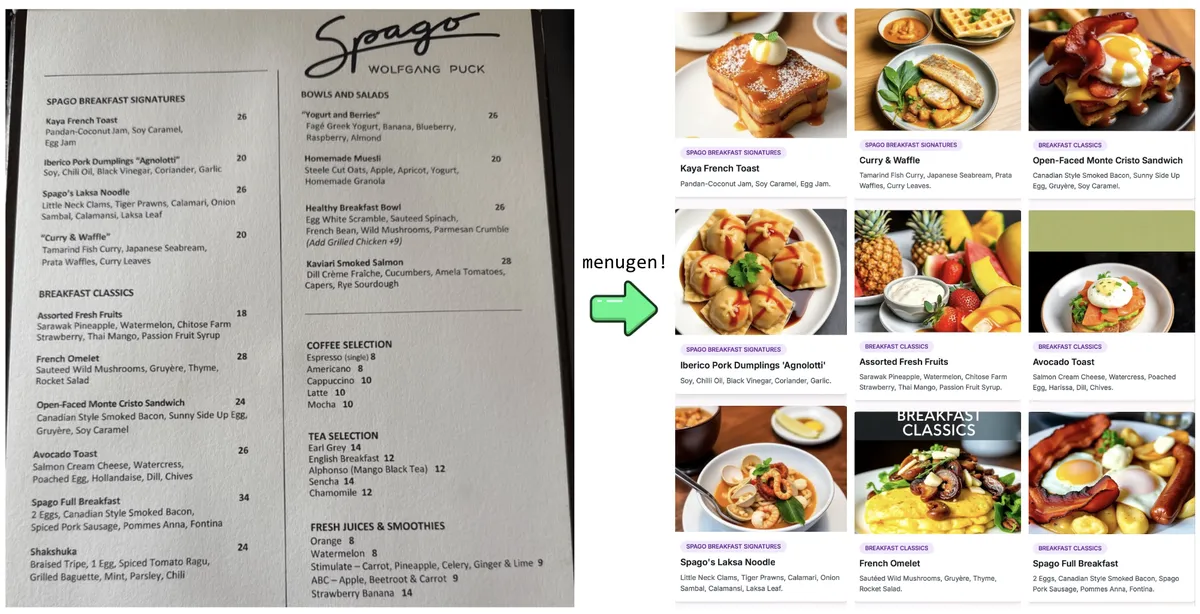
MenuGen solves a small, very relatable problem: you sit down at a restaurant, open the menu and have no idea what half the dishes are. You take a photo of the menu, and the app reads every item and generates an illustrative picture of each one, laid out as a visual grid with the dish name and its description. It is for curious eaters, travellers facing menus in unfamiliar cuisines, and anyone who orders better when they can see the food. The app was made by Andrej Karpathy, the researcher who coined the term "vibe coding", and it is probably the most famous example of the practice. In his April 2025 essay "Vibe coding MenuGen" he explains that Cursor with Claude wrote 100% of the code, while he steered. The write-up is just as candid about the hard parts: the local prototype came quickly, but authentication, payments, API keys and deployment took most of the effort. That honesty made MenuGen a reference point for everyone shipping their first AI-built app, and the site still credits itself as "vibe coded at a hackathon by @karpathy". Highlights: • Upload or photograph any printed menu and get a picture for each dish • Menu text is read automatically with OCR, so there is nothing to type • Results are shown as a clean card grid with section, dish name and ingredients • Sign in with your Google account • Credits are bought through Stripe checkout, so there is no subscription to manage • Runs in any mobile or desktop browser, handy right at the table The images are illustrations generated by AI, not photos of what that particular restaurant serves, so treat them as a guide rather than a promise. Using MenuGen requires buying credits; Karpathy has said he keeps a 10% markup on top of the AI costs, but the site does not publish a public price list. It is a web app and works in any modern browser on phones and computers.
Reviews
Sign in to review. Reviews carry how long you have used the product.
No reviews yet. The first one from someone actually using it is worth a lot.
Similar
Simon Willison's Tools
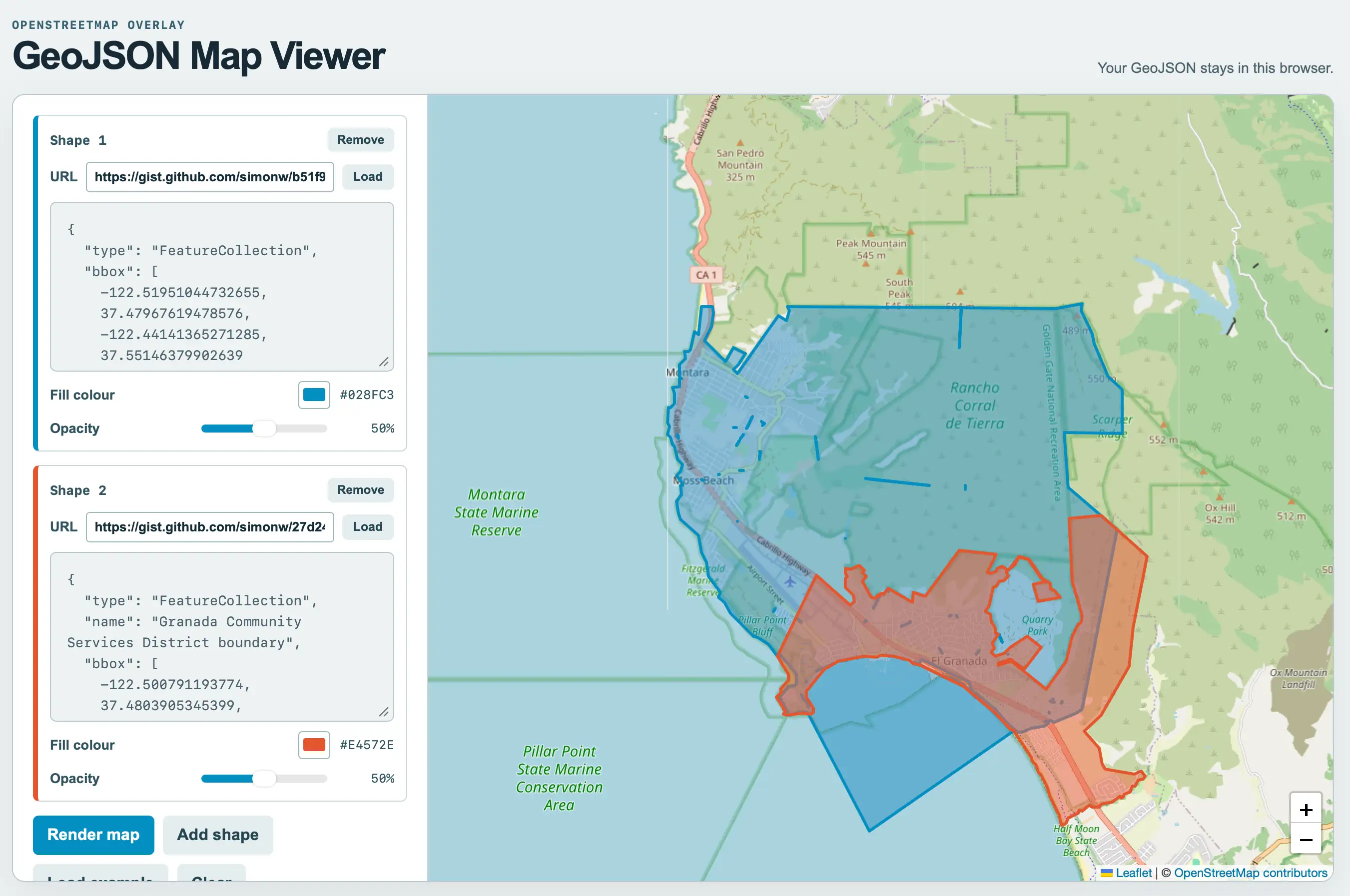
240+ small single-page browser tools, almost all built with LLMs
Web
ToolsOpen source
Wealthfolio
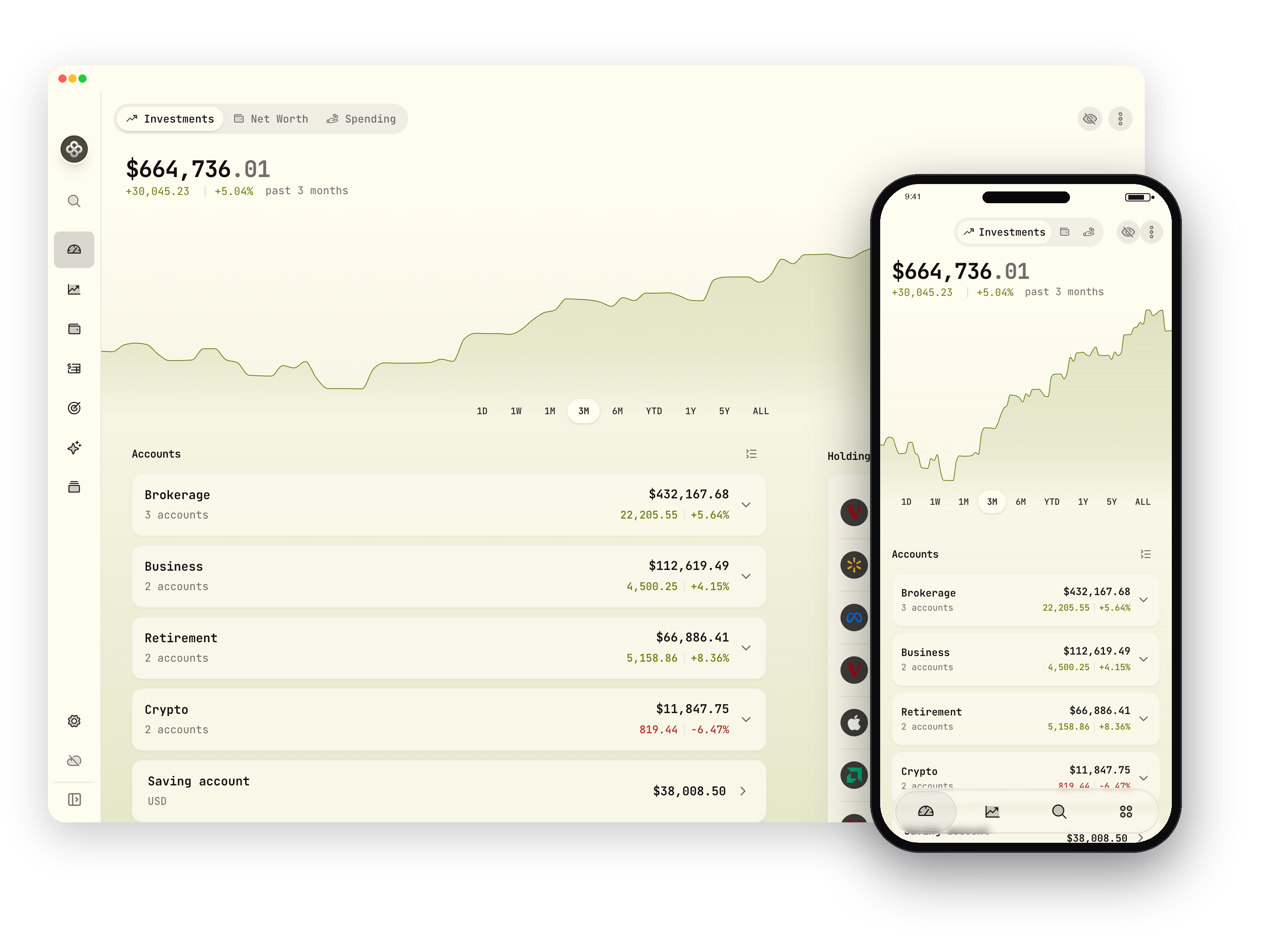
Private, open-source investment tracker and personal finance app
DesktopiOSAndroid
AppsFreemium
OpenClaw
Open-source AI assistant that runs on your machine and in your chats
DesktopCLIiOS
AppsOpen source
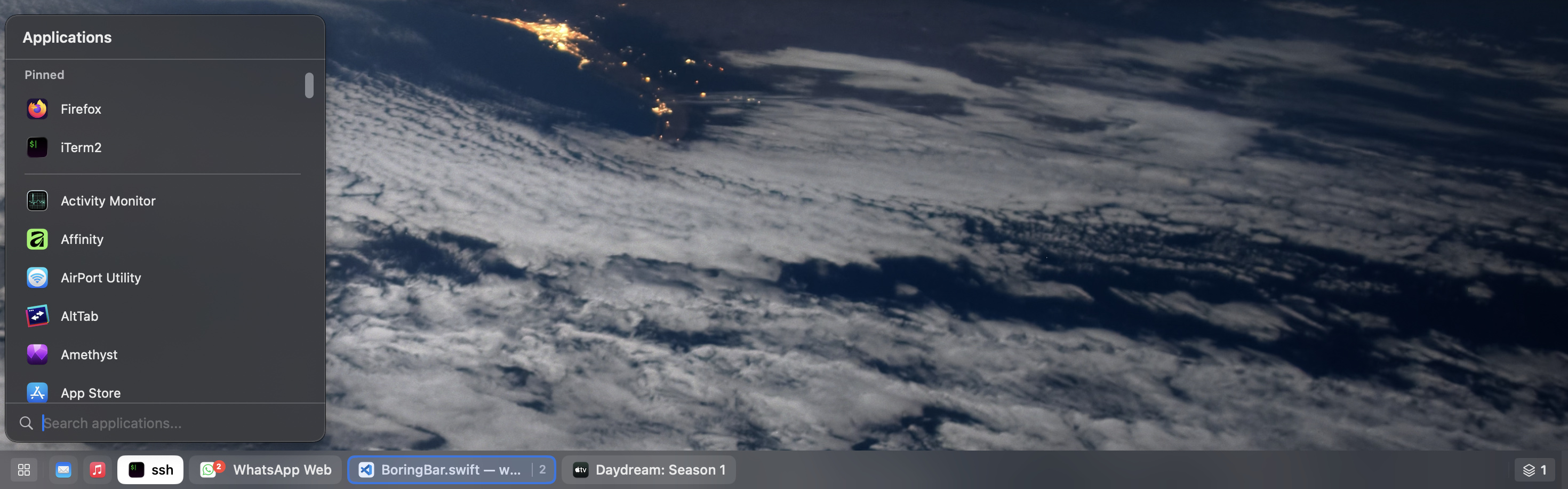
boringBar
Windows-style taskbar and Dock replacement for macOS
Desktop
AppsPaid
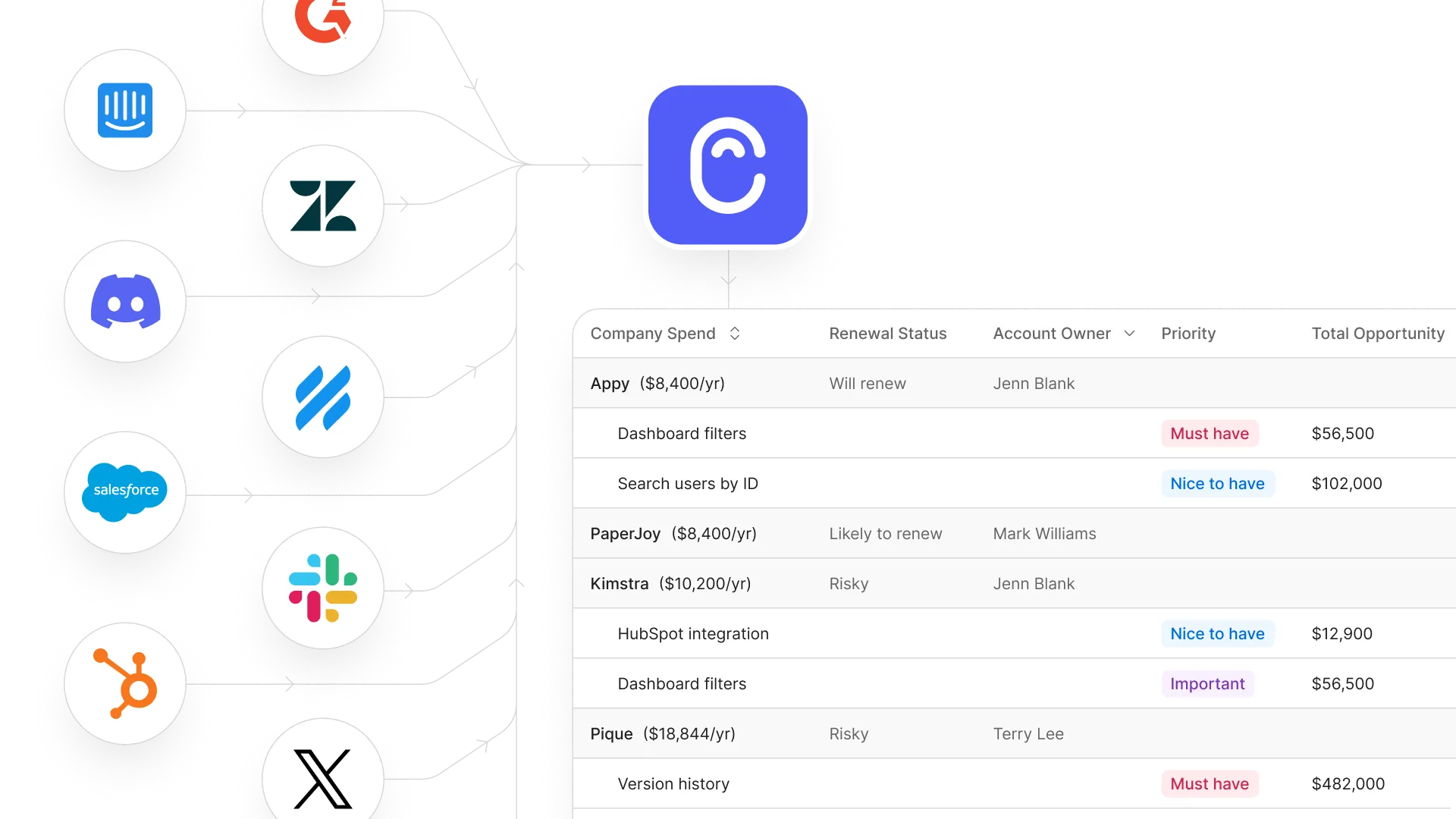
Canny
Customer feedback, feature voting and public roadmaps for SaaS teams
Web
Business & ServicesFreemium
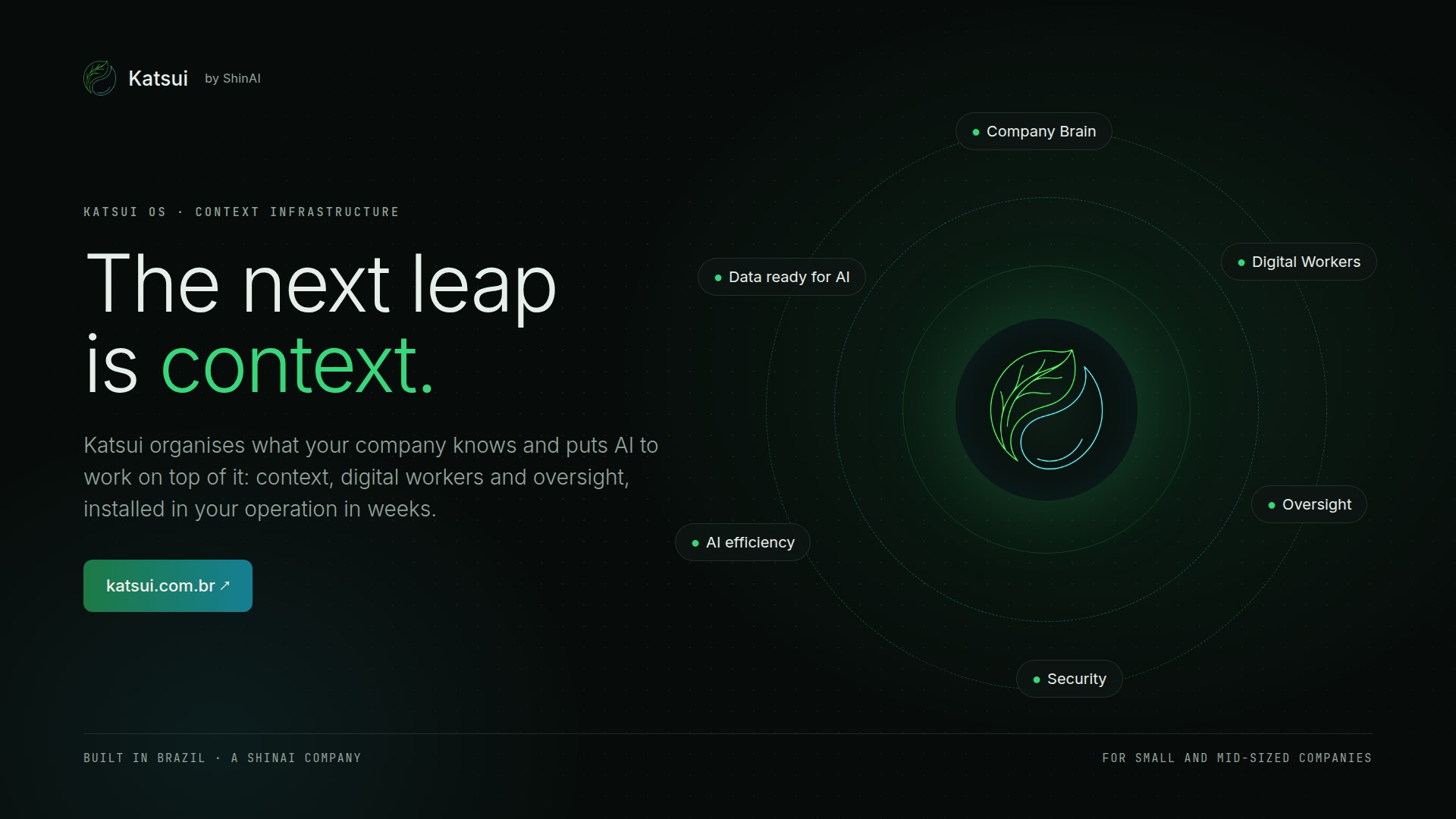
Katsui
Katsui OS: context infrastructure that puts AI to work
MenuGenTalk to the team