1 / 5
About
picoCAD is a small, playful program for building and texturing low-poly 3D models. Where most 3D software is huge and intimidating, picoCAD keeps only the essentials, so you can make a little house, ship or character in minutes. It is perfect for pixel artists curious about 3D, for game jam developers, and for anyone who wants to make 3D art for fun. Made by developer Johan Peitz, picoCAD was built on the PICO-8 fantasy console and embraces its constraints: a fixed palette, a small canvas and a distinctive dithered shading style that gives every model a recognizable retro look. It does not require PICO-8 to run. Since its release in February 2021 it has become a cult favorite, with a rating of 4.9 out of 5 from hundreds of ratings on itch.io and a lively community of artists sharing their models. In March 2026 Peitz released picoCAD 2, a rewrite from scratch with animation tools, no project limits and GLTF export, which is sold separately. Highlights: • Streamlined editor for placing and reshaping low-poly meshes • Live editing of textures and UV coordinates • Distinctive dithered shading in the PICO-8 palette • Wireframe, solid fill and textured render modes • Export of animated GIFs for sharing • OBJ and MTL export for Blender, Unity and other tools • Readable text-based save files and a well-written manual picoCAD is a one-time purchase of US$5.95 or more on itch.io, and every purchase includes a Steam key. It runs on Windows, macOS and Linux. picoCAD 2 costs US$14.95 or more on itch.io (Windows and macOS) and is also on Steam.
Reviews
Sign in to review. Reviews carry how long you have used the product.
No reviews yet. The first one from someone actually using it is worth a lot.
Similar
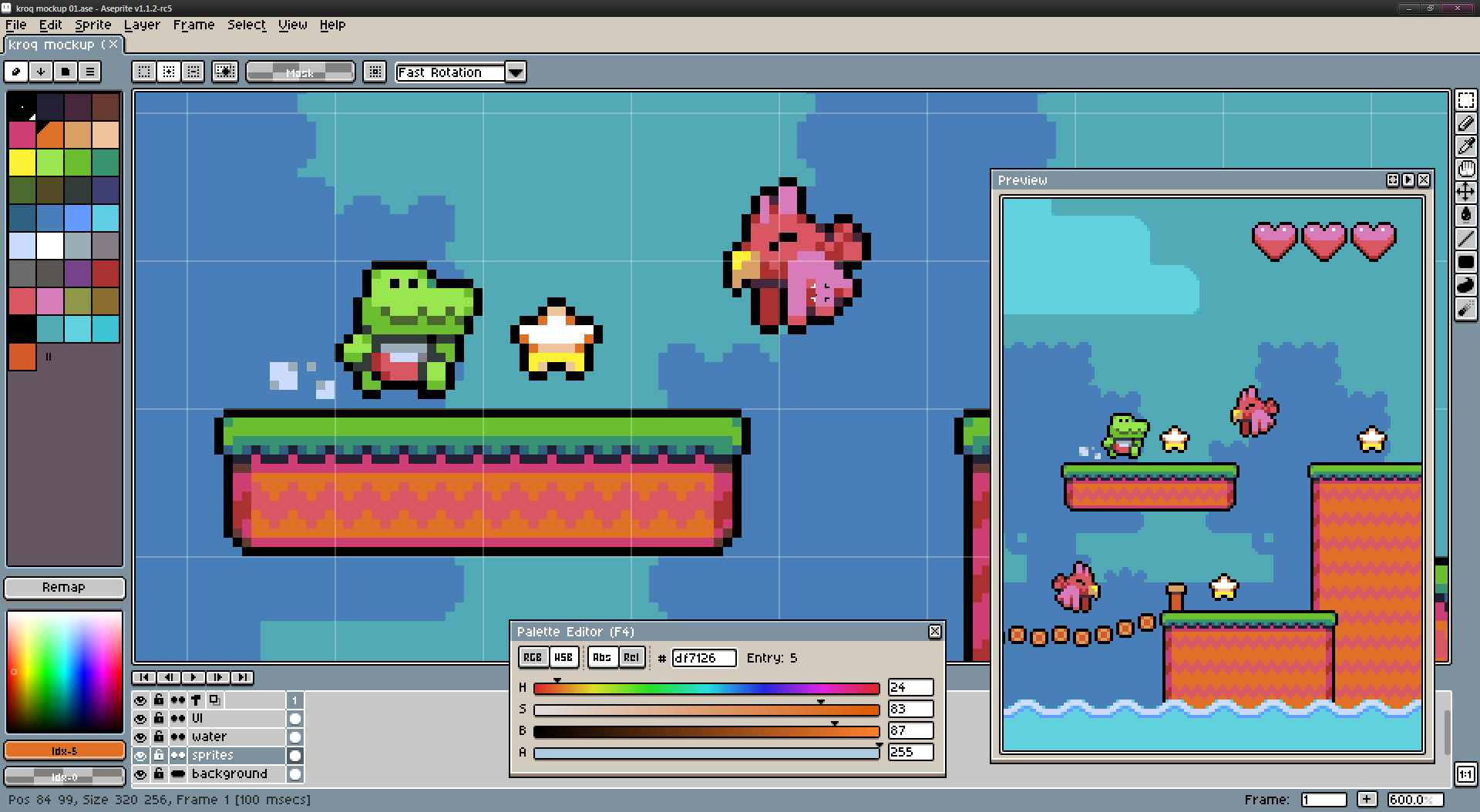
Aseprite
Animated sprite editor and pixel art tool for game artists
Desktop
ToolsPaid
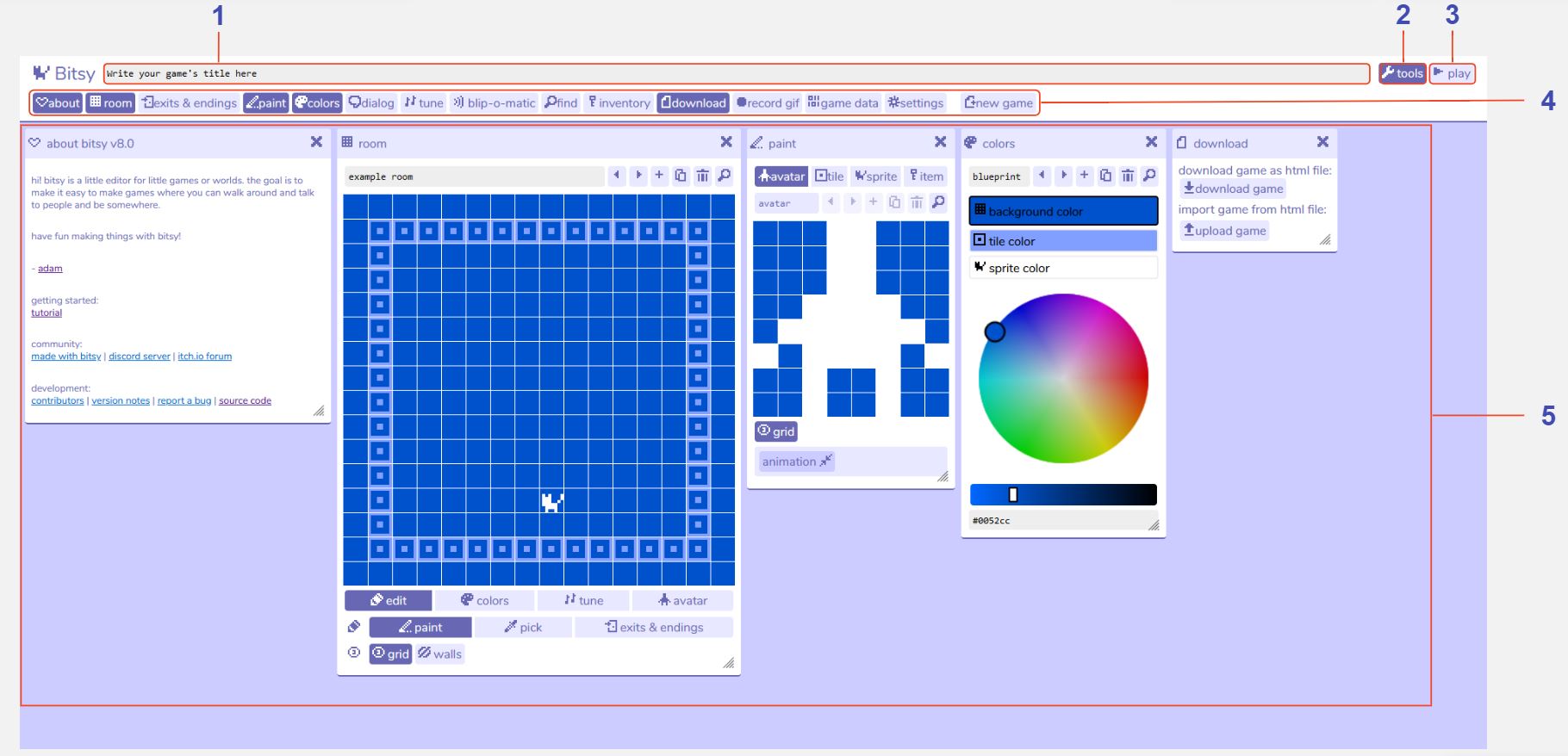
Bitsy
A little engine for little games, worlds and stories
Web
ToolsOpen source
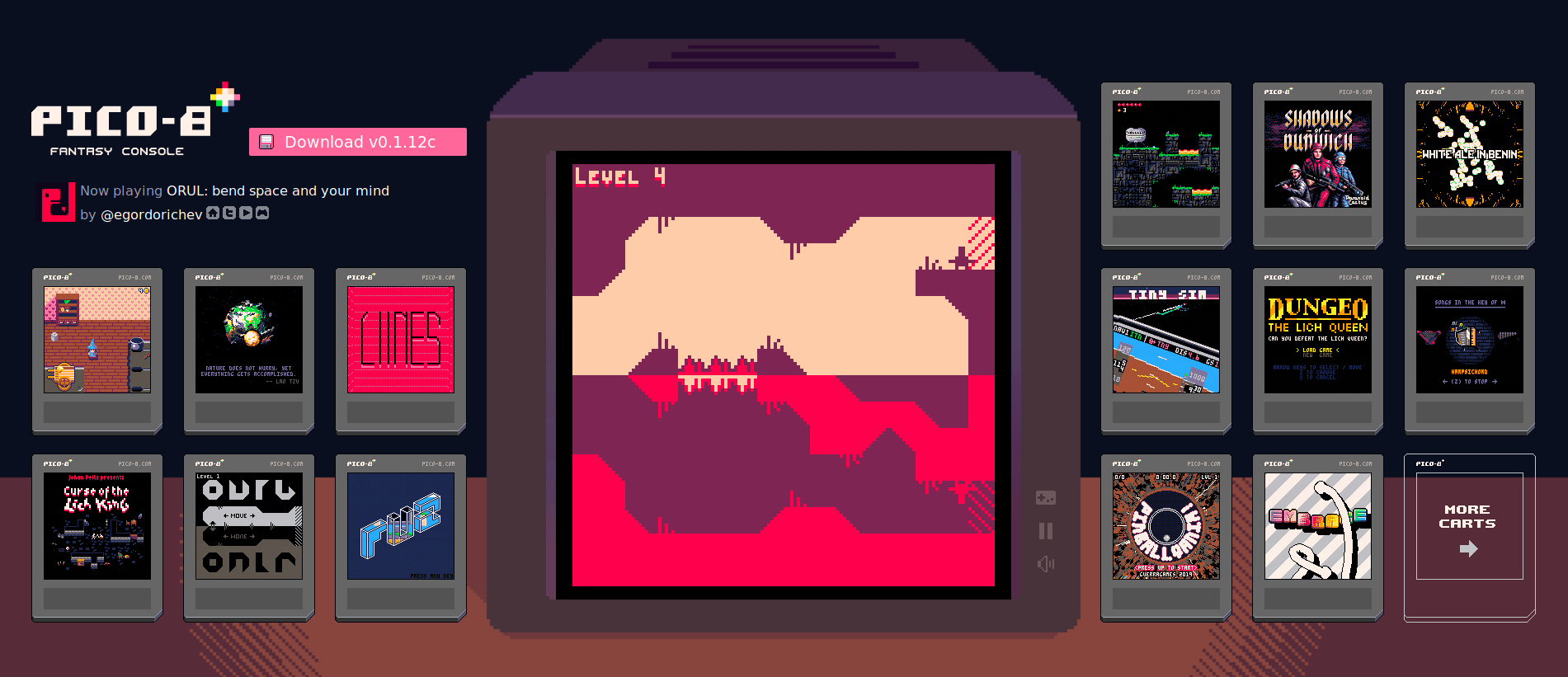
PICO-8
Fantasy console for making and playing tiny retro games
DesktopWeb
ToolsPaid
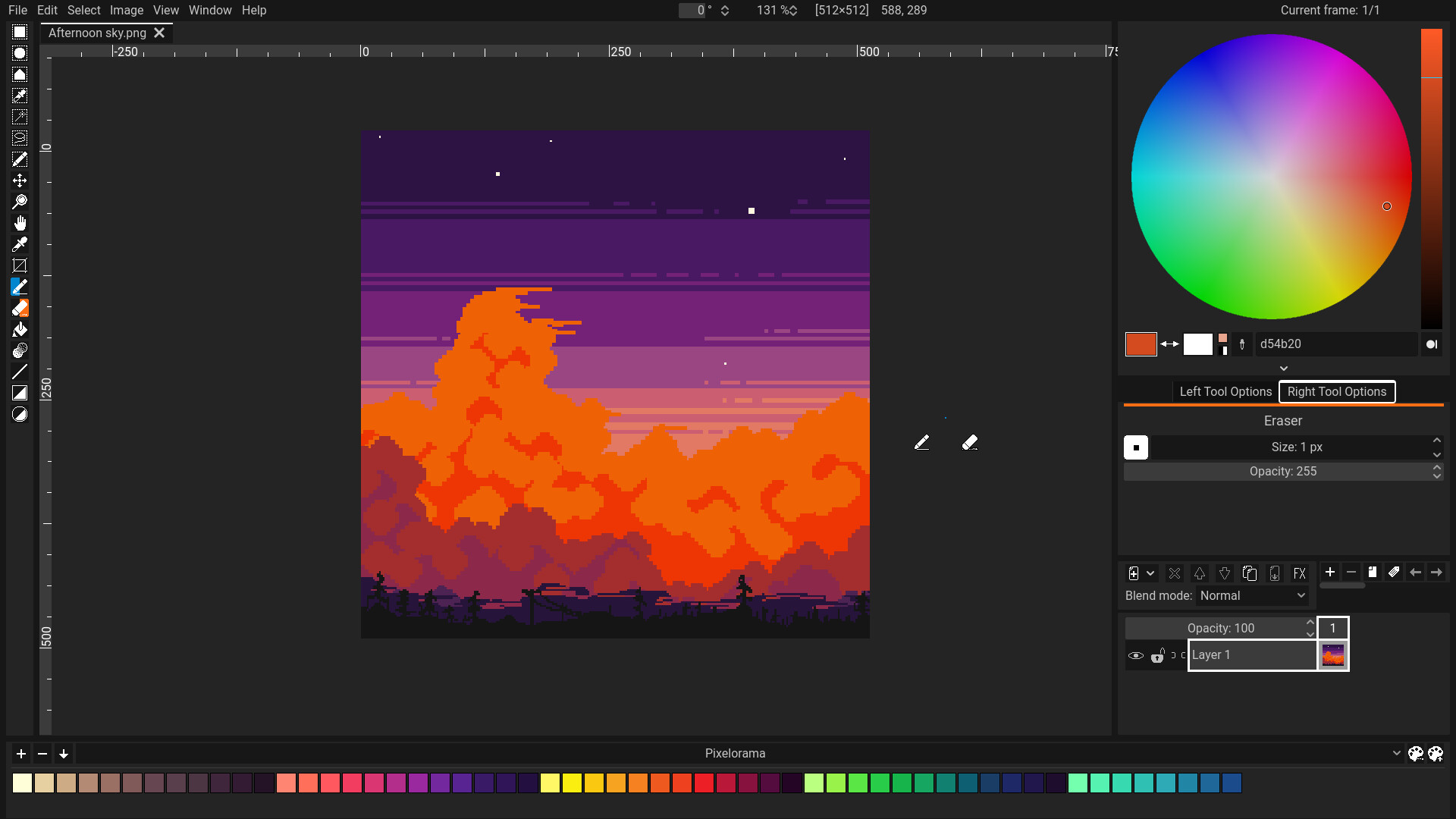
Pixelorama
Free, open-source pixel art editor for sprites, tiles and animation
DesktopWeb
ToolsOpen source
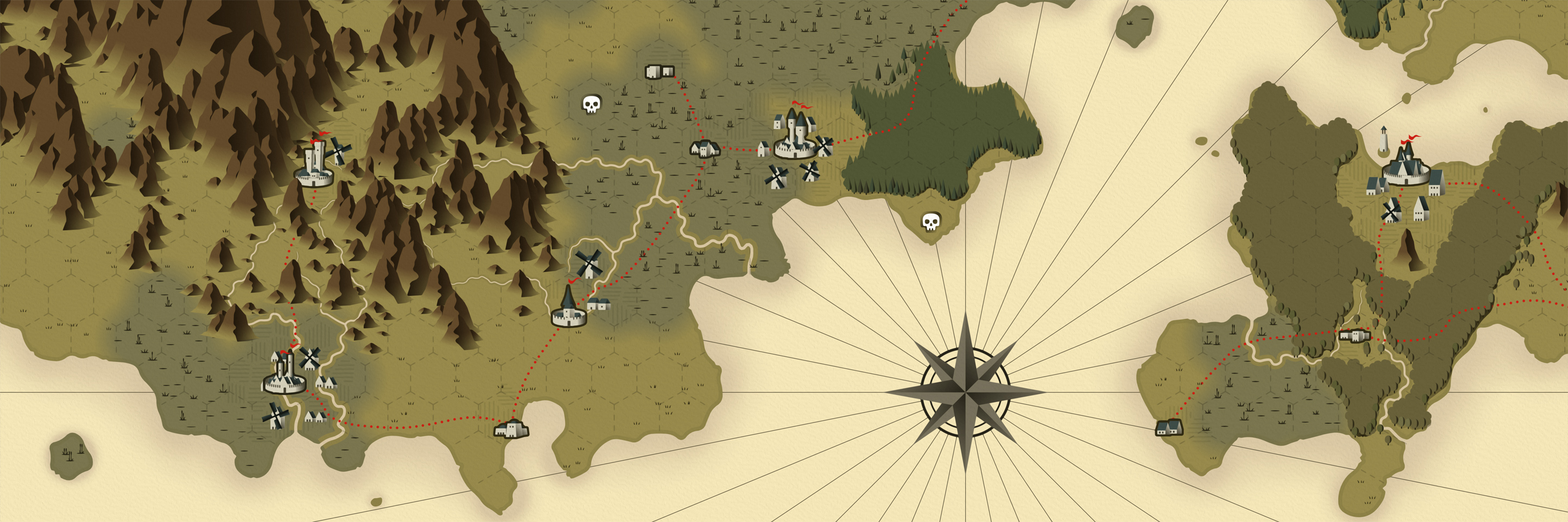
Watabou Generators
Free browser generators for fantasy cities, villages and dungeons
Web
ToolsFree
picoCADBuy on the official site