 1 / 2
About
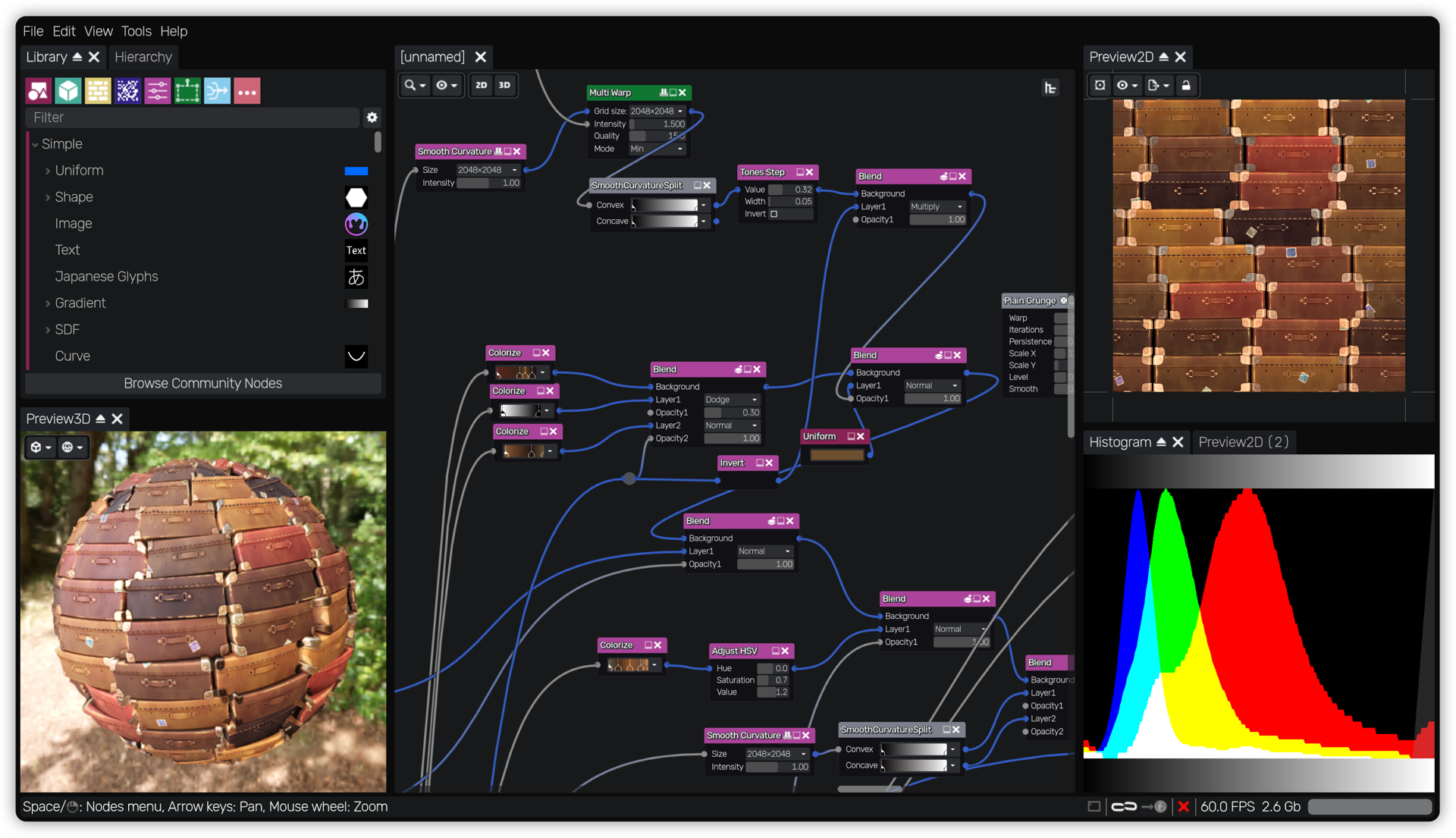
Material Maker is a procedural texture and material authoring tool. You build materials as graphs of nodes that generate and transform textures, then export them for game engines and 3D work. It is aimed at game developers, technical artists and 3D hobbyists who want something in the spirit of Substance Designer without the subscription, and it also includes an experimental painter for texturing 3D models. Under the hood Material Maker does something clever. Most nodes are GLSL shaders, and instead of rendering an image for every node it combines them into a single shader, so materials stay resolution-independent until they reach a buffer or the final output. You can create new nodes by grouping existing ones or by writing your own GLSL. The tool is built on the Godot Engine by Rodolphe Suescun (RodZilla) and contributors, and has been developed in the open since 2018. Version 1.7 arrived in July 2026, the same day it launched on Steam. A community website hosts hundreds of shared materials, nodes, brushes and environments. Highlights: • Over 200 nodes, with custom nodes made by grouping or writing GLSL • Static and dynamic PBR materials, raymarching and unlit VFX materials • Export to Godot, Unity and Unreal Engine • Experimental 3D painting of albedo, roughness, metallic, emission, normal, depth and AO • Procedural brushes for texture painting • Community library of materials, nodes, brushes and environments • Web version for trying it in the browser Material Maker is free and open source under the MIT license. The itch.io download is name-your-own-price, a Steam edition sells for US$14.99 to support development, and it can also be installed with Scoop, Chocolatey or Homebrew. It runs on Windows, macOS and Linux, and in the browser.
Reviews
Sign in to review. Reviews carry how long you have used the product.
No reviews yet. The first one from someone actually using it is worth a lot.
Similar
Blender
Free, open-source 3D creation suite for modeling, animation and VFX
Desktop
ToolsOpen source
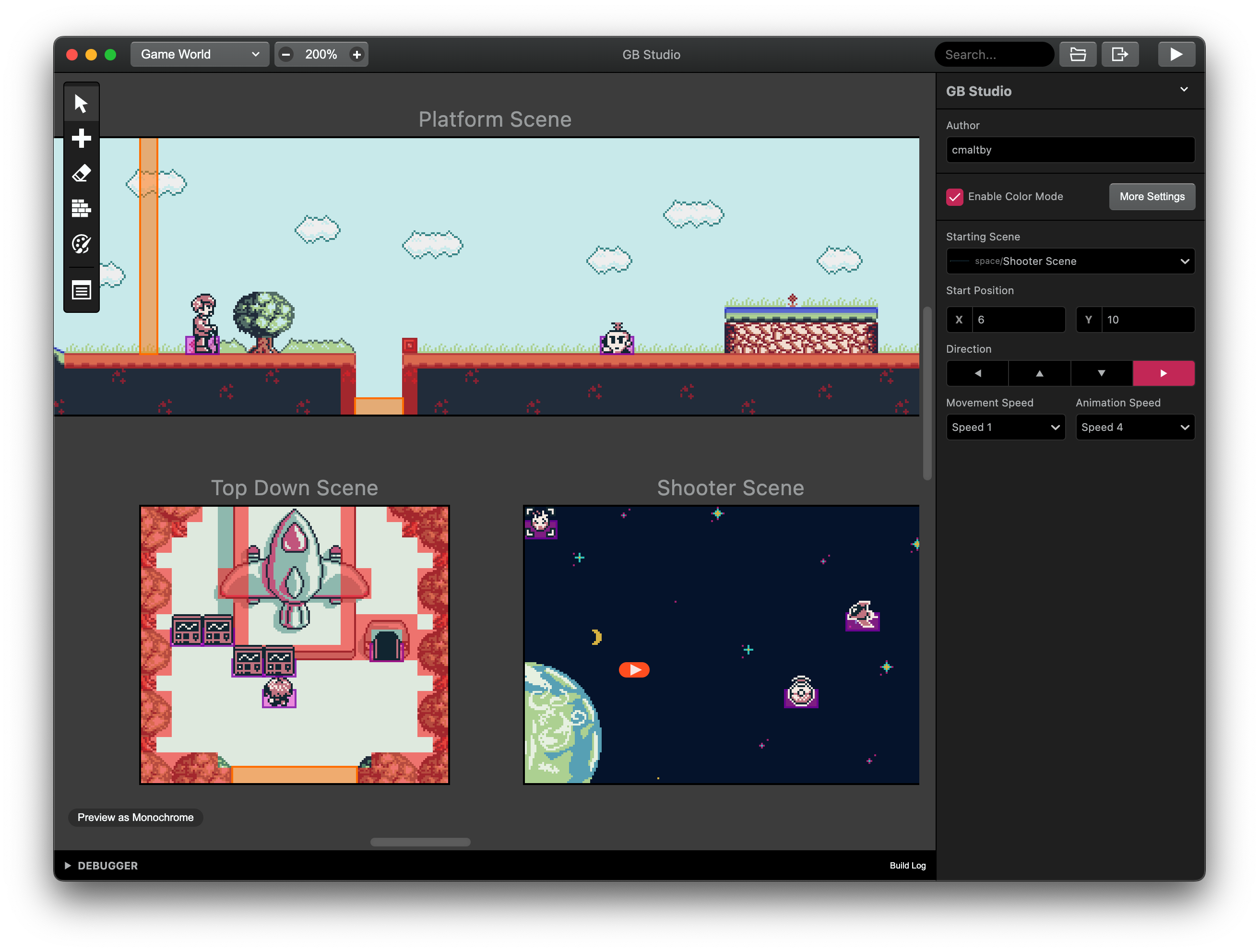
GB Studio
Drag-and-drop game creator for real Game Boy ROMs
Desktop
ToolsOpen source
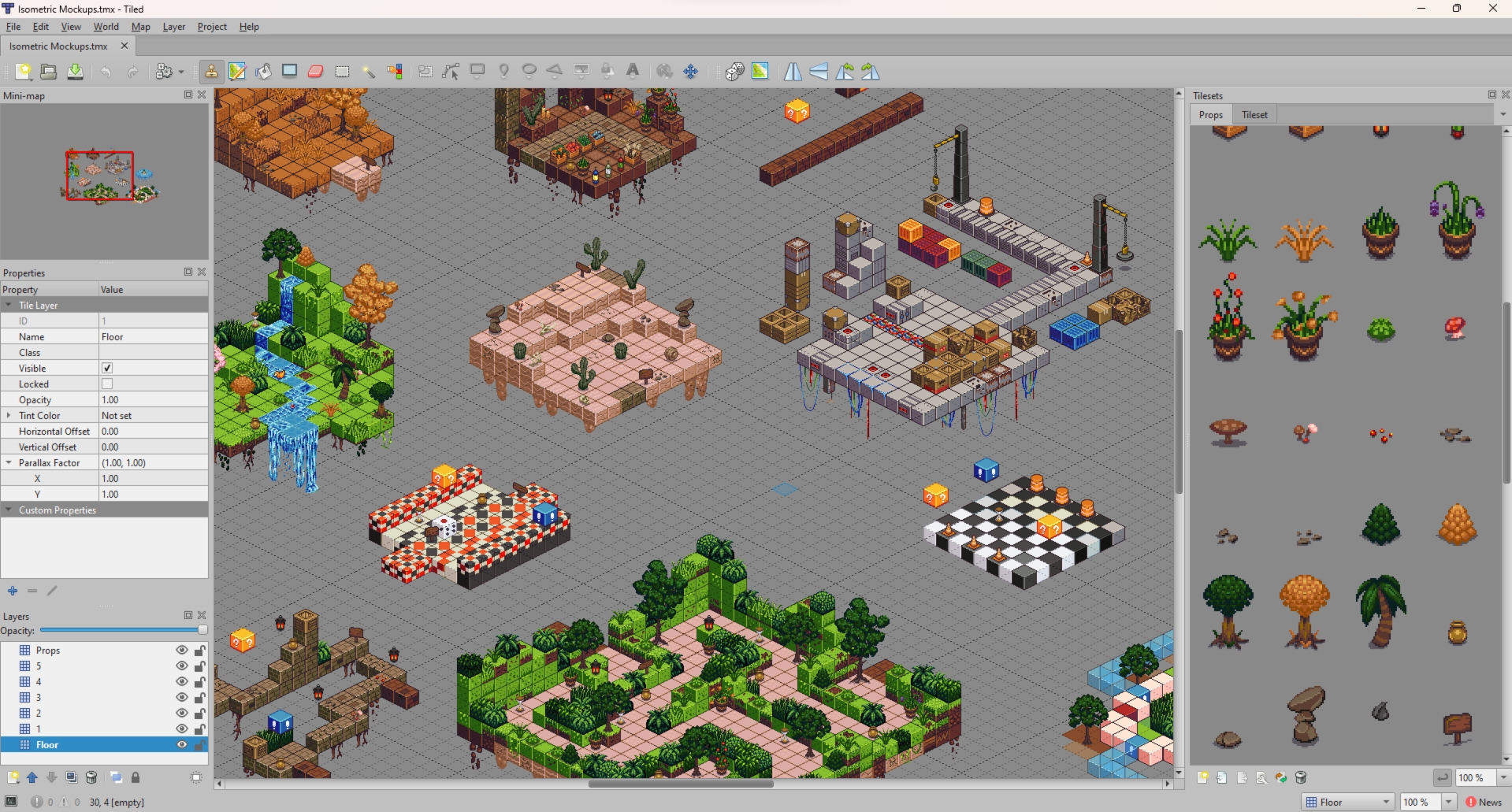
Tiled
Free, open-source level editor for tile-based and 2D games
Desktop
ToolsOpen source
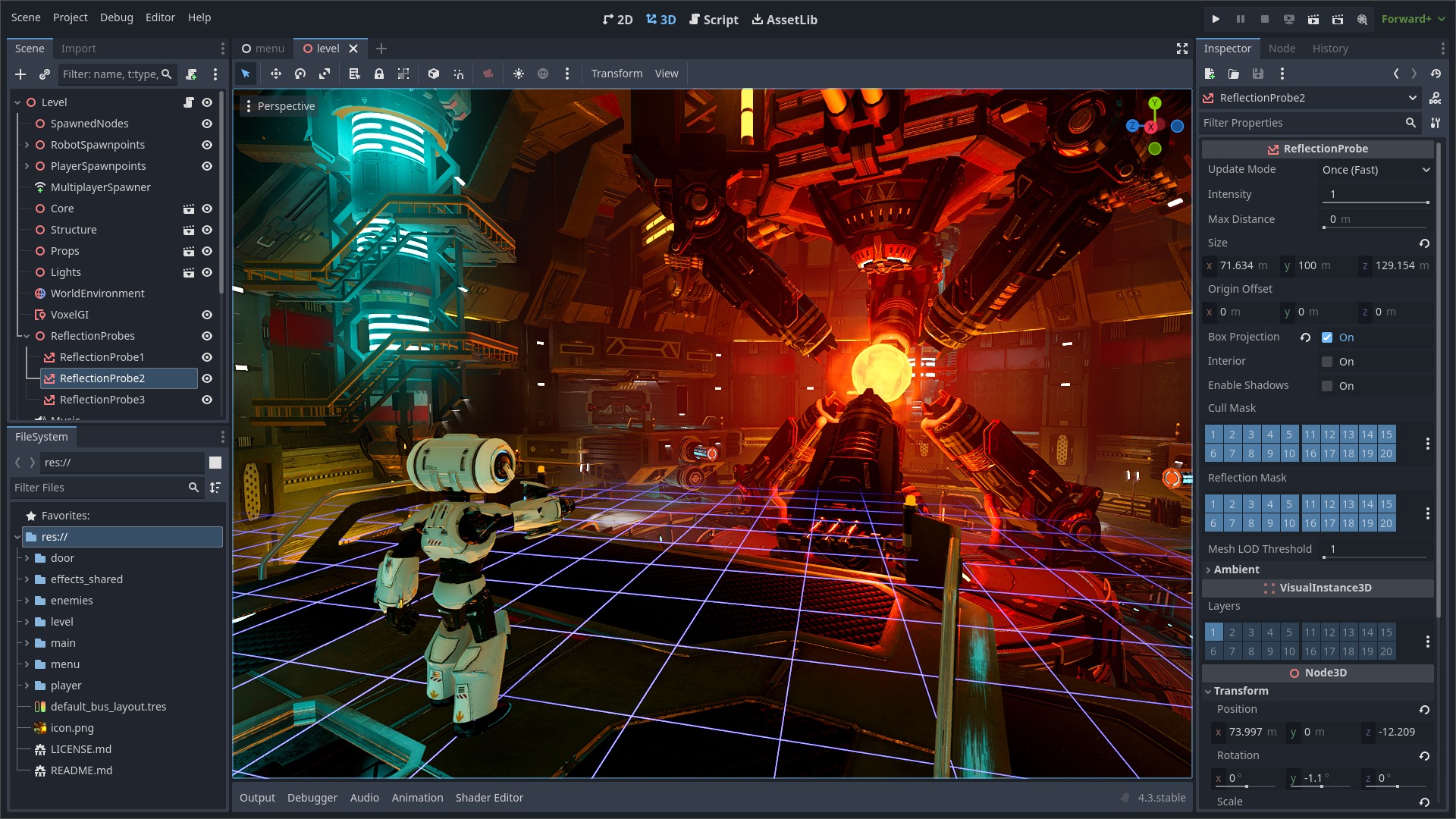
Godot Engine
Free, open source engine for 2D, 3D and XR games
Desktop
ToolsOpen source
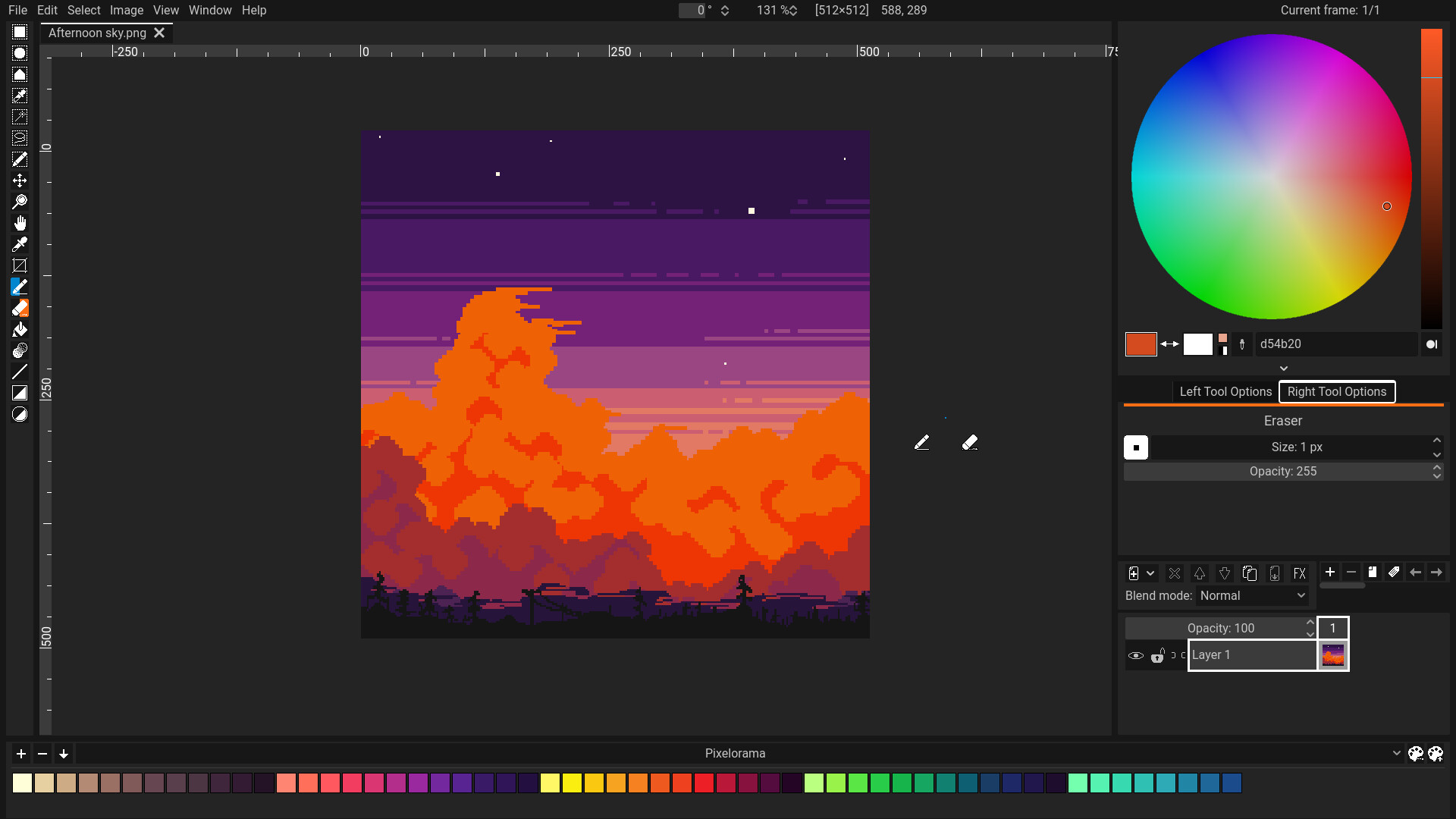
Pixelorama
Free, open-source pixel art editor for sprites, tiles and animation
DesktopWeb
ToolsOpen source

LDtk
Modern open source 2D level editor from the director of Dead Cells
Material MakerOpen