About
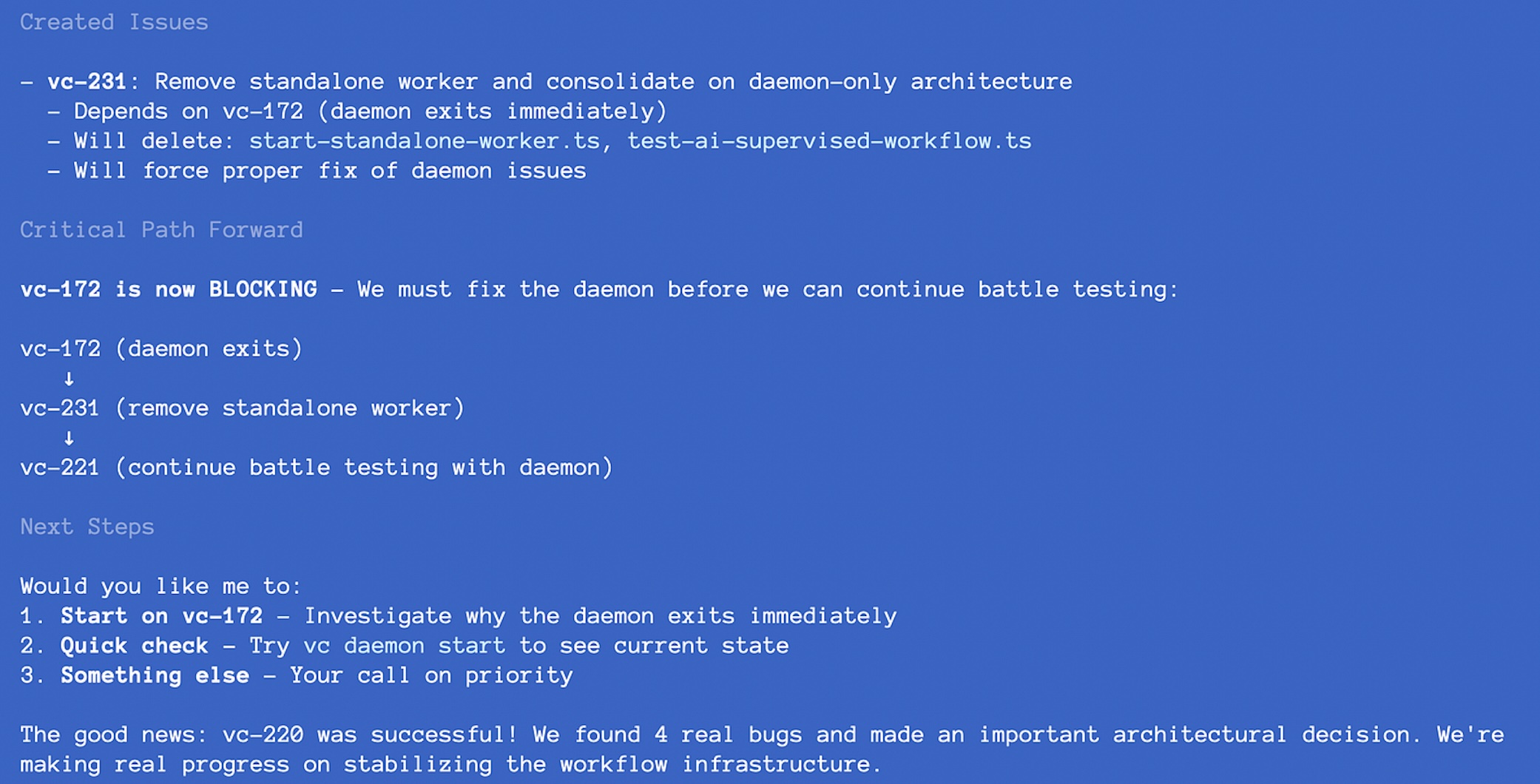
Beads, run from the terminal as bd, is an issue tracker designed for AI coding agents rather than people. Instead of letting Claude Code, Codex or Cursor scribble plans into markdown files that get lost between sessions, Beads gives them a structured, dependency-aware graph of work: the agent asks what is ready, claims a task, and closes it when done, and the next session picks up where the last one left off. It is for developers who run agents on long, multi-step projects and are tired of them forgetting the plan. Beads was created by Steve Yegge, the veteran engineer and blogger known for his years at Amazon and Google, who built it by vibe coding with AI agents and wrote about the process in his launch post, including burning an early version to the ground and starting over. The idea struck a chord: the project gathered more than 28,000 GitHub stars, inspired ports and dashboards from the community, and now lives under the Gas Town organization alongside Yegge's multi-agent tooling. Highlights: • bd ready lists unblocked work so agents always know what to do next • Dependency tracking with parent/child hierarchy and blockers • Hash-based IDs avoid merge collisions when many agents or branches work at once • Built on Dolt, a version-controlled SQL database with branching and sync between machines • Compaction summarizes old closed tasks to save context window • One-command setup for Codex, Claude Code, Cursor, Factory and others • JSON output and an MCP server for agent integrations Beads is free and open source under the MIT license. It installs with Homebrew, npm or an install script and runs on macOS, Linux, Windows and FreeBSD. Using it costs nothing beyond whatever AI agent you already pay for.
Reviews
Sign in to review. Reviews carry how long you have used the product.
No reviews yet. The first one from someone actually using it is worth a lot.
Similar
Bastion
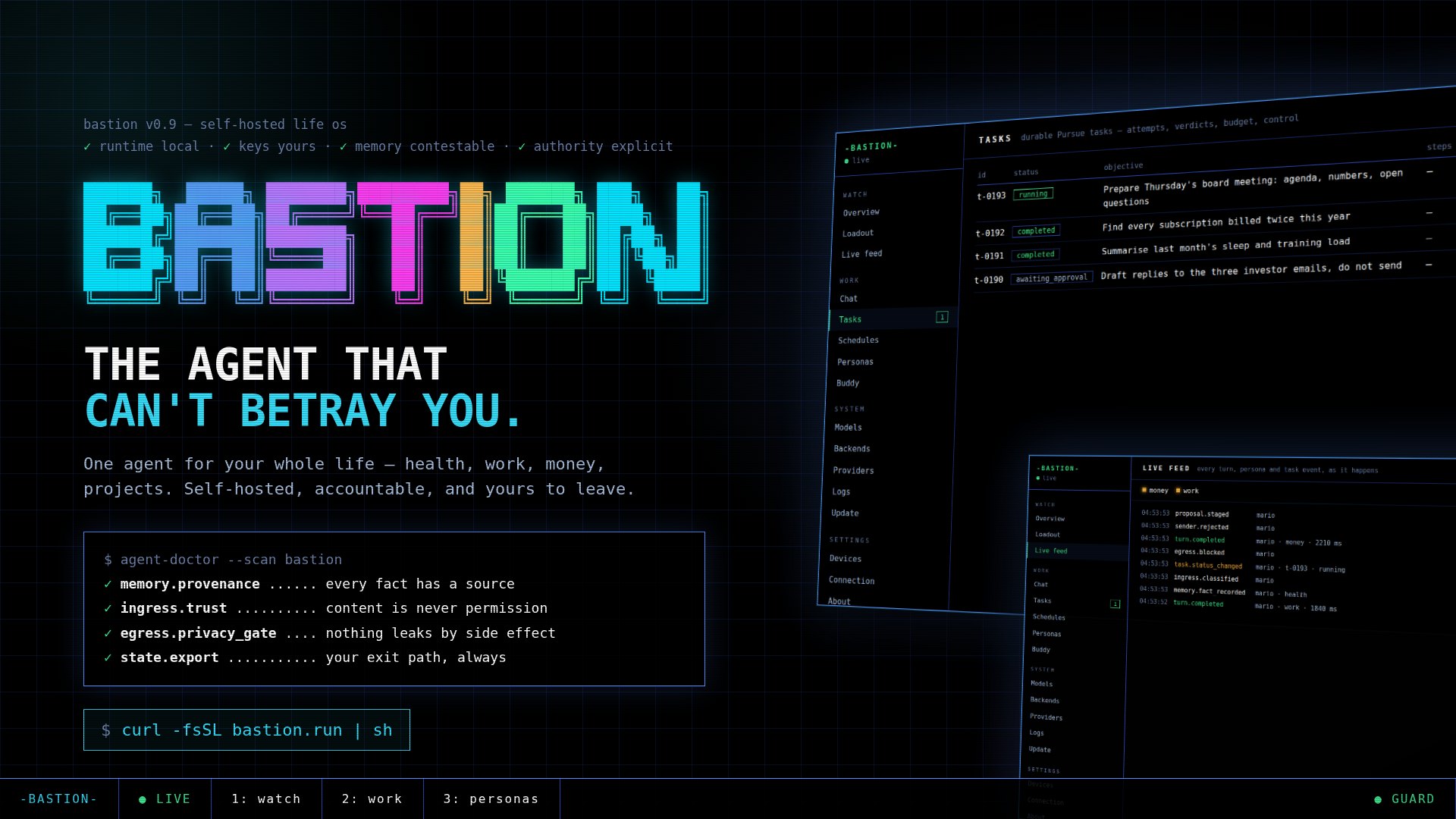
A self-hosted Life OS: the agent that can't betray you
Desktop
ToolsOpen source
OpenClaw
Open-source AI assistant that runs on your machine and in your chats
DesktopCLIiOS
AppsOpen source
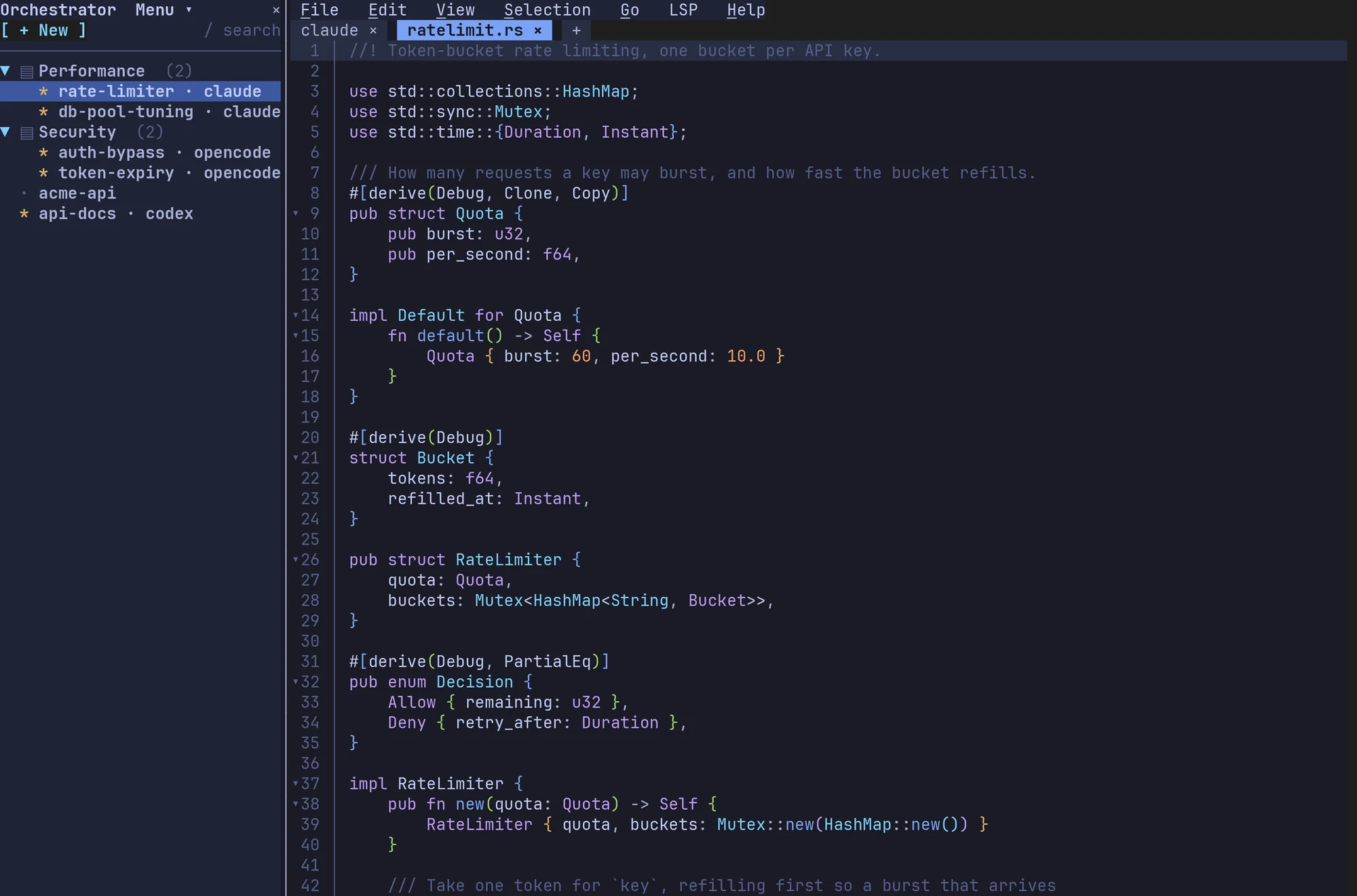
Fresh
Fast, zero-config terminal IDE with familiar keys and agent workspaces
CLIDesktop
ToolsOpen source
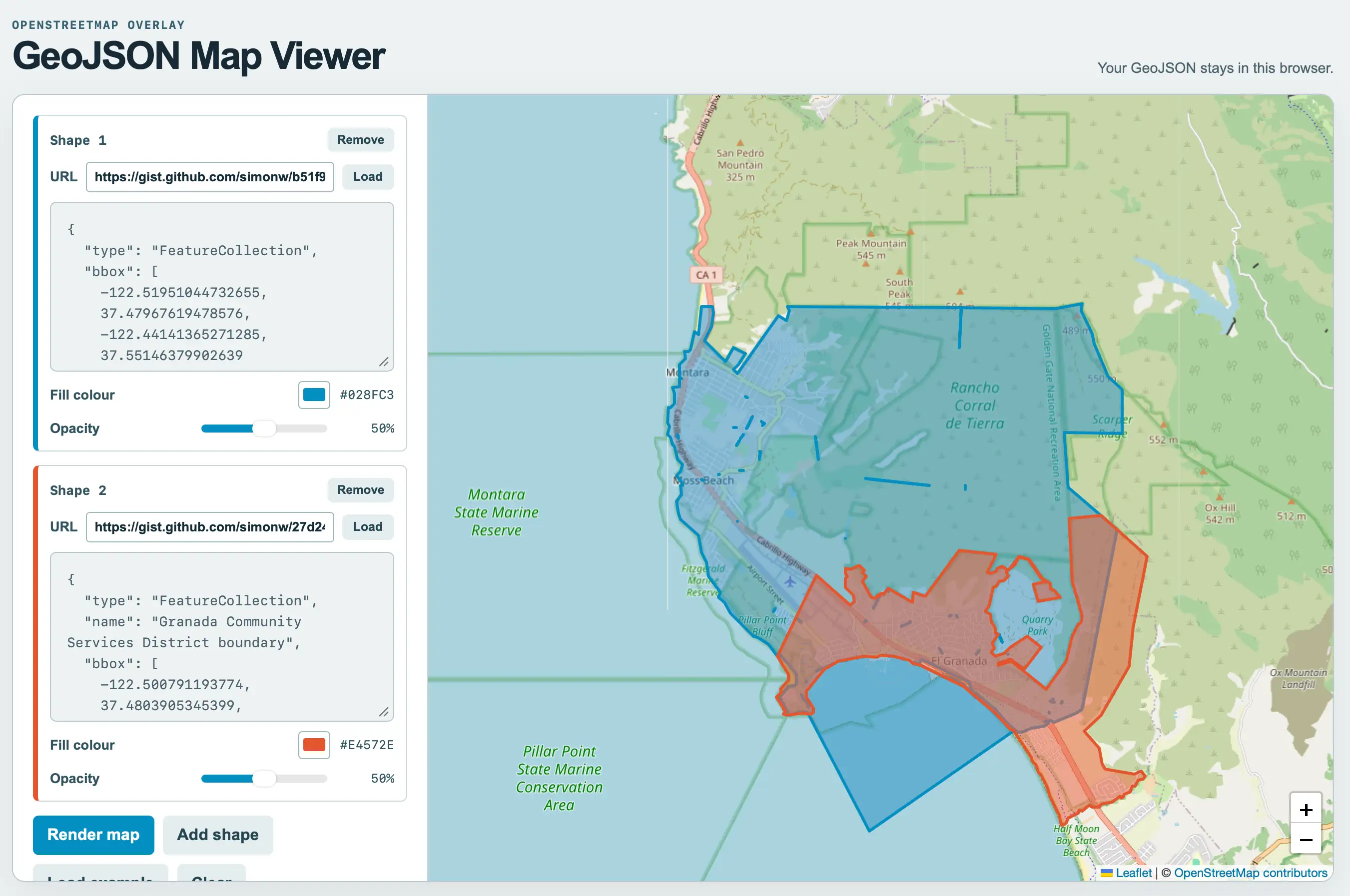
Simon Willison's Tools
240+ small single-page browser tools, almost all built with LLMs
Web
ToolsOpen source
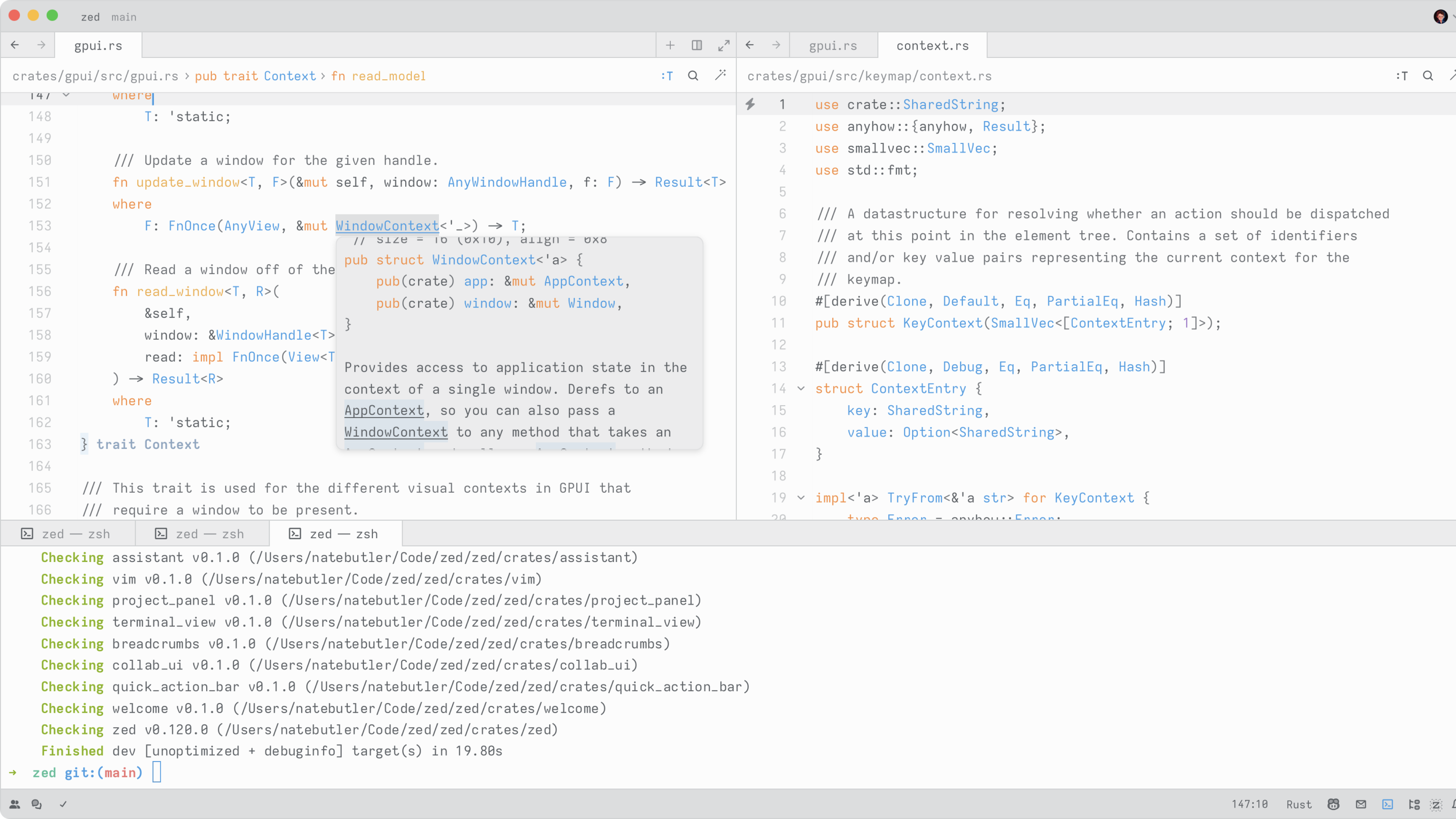
Zed
High-performance, open-source code editor with built-in AI agents
Desktop
ToolsFreemium
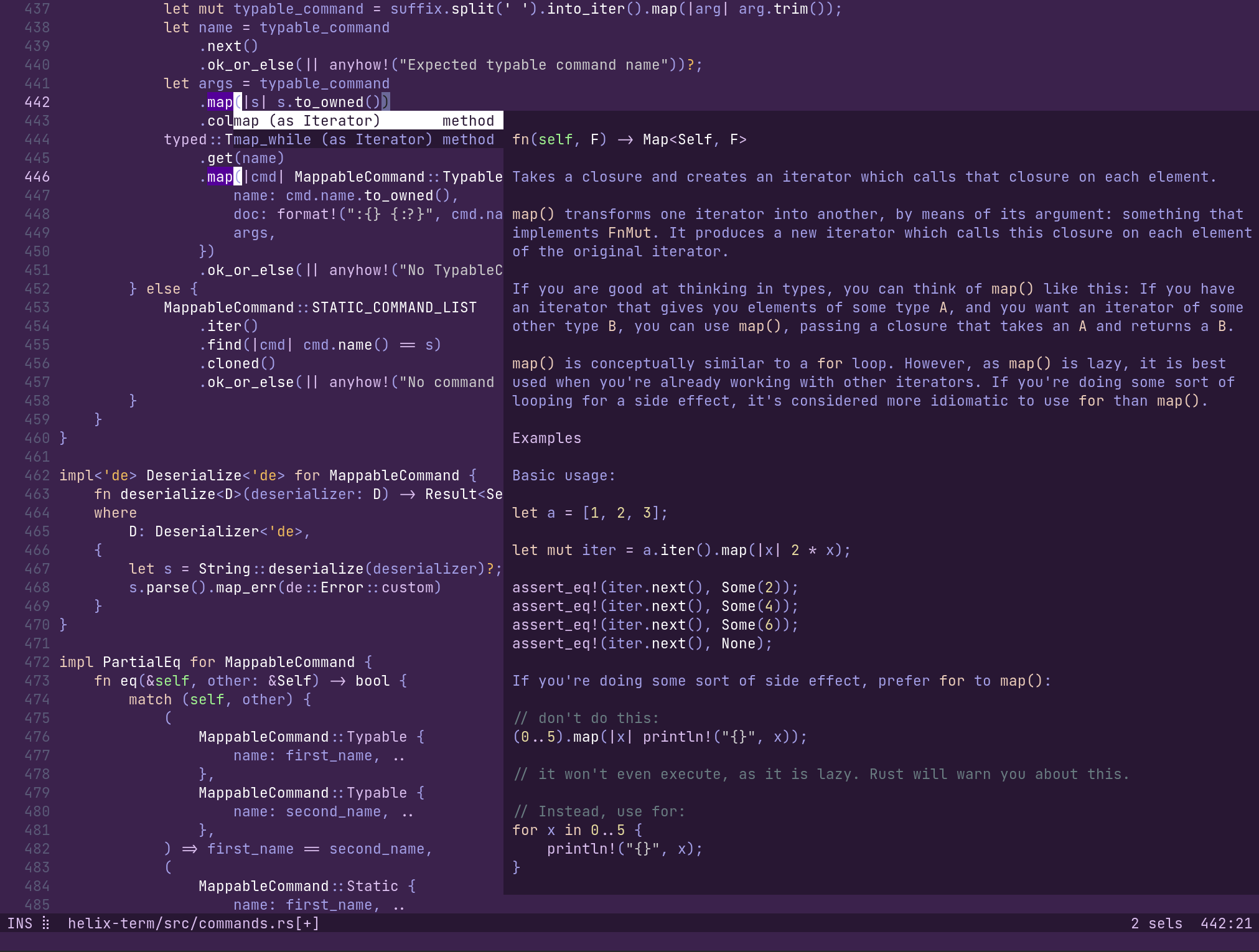
Helix
Post-modern modal text editor for the terminal, written in Rust
Desktop
BeadsOpen